
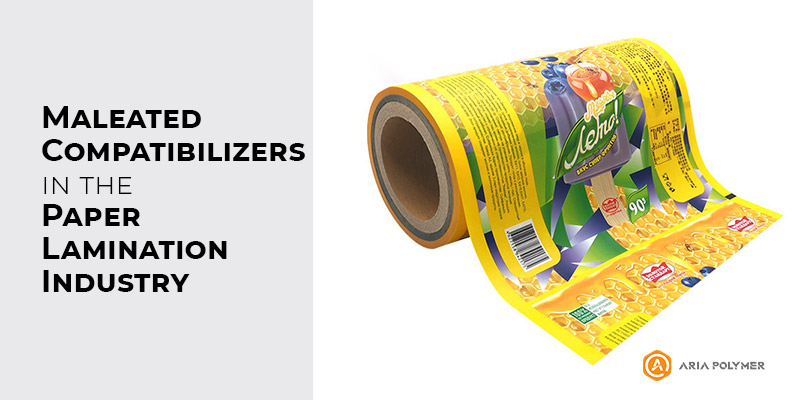
In the commercial printing industry, lamination refers to the bonding of a transparent plastic film to the surface of a printed paper substrate using either adhesives or heat. Laminated paper is a type of paper coated on one or both sides with a thin plastic film to enhance durability, provide an elegant appearance, and ensure resistance to damage.
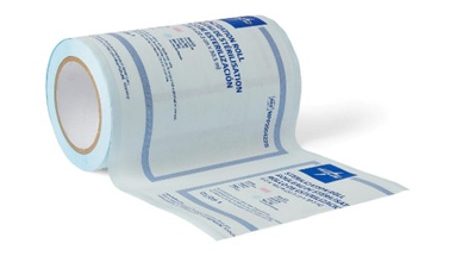
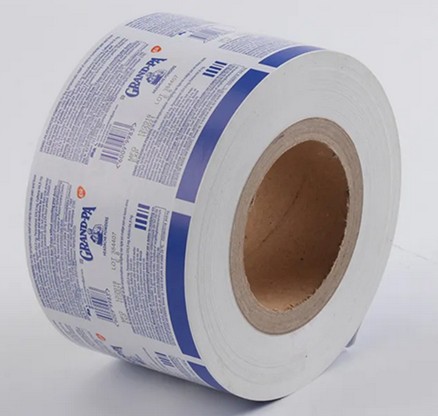
Laminated paper film, which is generally multi-layered, consists of paper substrates combined with a thin protective plastic layer (usually polyethylene or polypropylene) to increase durability, provide water resistance, and add a professional finish to prints. This film is widely used in food packaging, hygiene products packaging and document protection, offering features such as scratch resistance, structural integrity, and barrier properties.
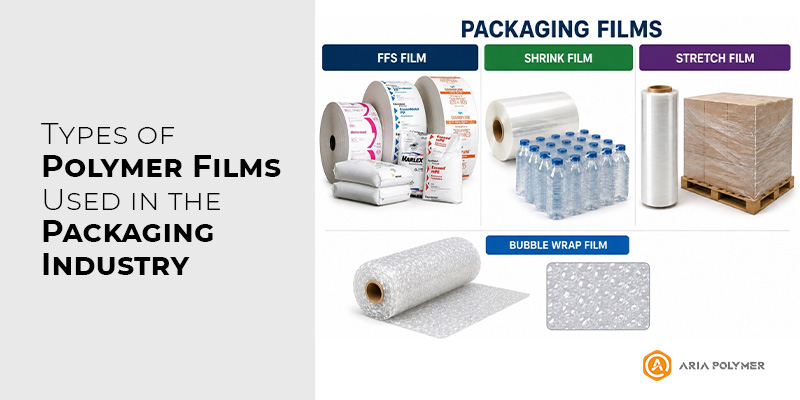
The applicable plastic materials
This section refers to the polymers used to create the protective layer. Based on industry standards for laminate paper, these usually include:
- Polyethylene (PE): The most common choice for food packaging due to its moisture barrier
- Polypropylene (PP): Known for higher heat resistance and clarity (often used in “BOPP” films)
- Polyethylene Terephthalate (PET): Employed in applications requiring high-temperature resistance are required.
Polyolefin-Based Maleic Anhydride Grafted Compatibilizers
In paper lamination, the compatibilizer is primarily used as a layer to bond non-polar polyolefin films (based on polyethylene or polypropylene) to paper. This process improves adhesion, moisture resistance, and creates the necessary mechanical properties. The compatibilizer interacts with paper fibers, which are rich in hydroxyl groups, through its anhydride functional groups, while the polyolefin backbone bonds to the plastic layer.
Polyolefin compatibilizers, which consist of a polyolefin backbone with a low percentage of grafted maleic anhydride, establish a balance between reactivity, processability, and minimal gel formation.
Compatibilizers are essential additives in laminated paper films, particularly in the production process of multi-material packaging. Their primary role is to bridge the gap between incompatible materials, such as hydrophobic plastics (PE, PP) and hydrophilic materials (paper, starch, cellulose), thereby improving interfacial adhesion, structural integrity, and enabling recyclability within the plastic component.
Key Applications of Compatibilizers in Laminated Paper Films
- Improved Product Adhesion: When laminating paper with plastics such as polyethylene (PE), compatibilizers like Maleic Anhydride (MAH) are used to reinforce the bond between the paper fibers and the plastic. This increases the overall strength and durability of the final product.
- Enhanced Mechanical Properties: The addition of compatibilizers significantly improves the tensile strength, flexural strength, and elongation at break of laminated films.
- Improved Barrier Performance: By creating a more homogeneous and tighter surface structure, compatibilizers prevent defects that allow moisture or oxygen to penetrate the material.
- Eco friendly: The degradation of these materials is easier and faster compared to raw plastic materials.
Advantages Over Alternative Methods
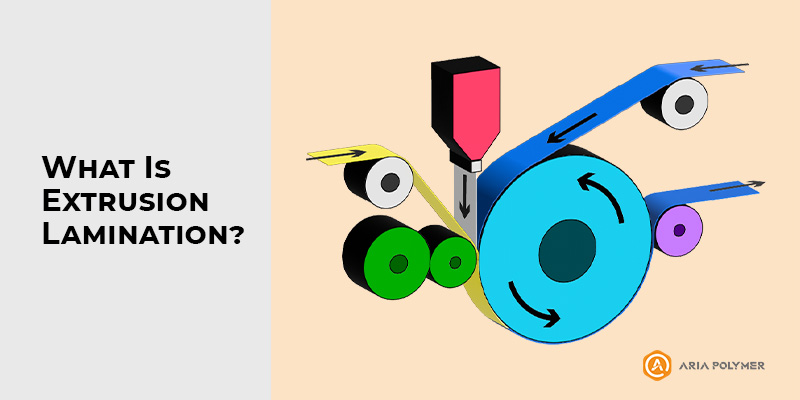
Compared to other methods such as corona treatment or multi-layer co-extrusion, the use of compatibilizers offers:
- Lower energy consumption and production costs
- They allow for a higher content of cellulose fibers in polymer composites, reducing dependency on fossil-based materials
- Increased productivity and higher production speeds
Common Applications of Laminated Paper
Used in food and hygiene products packaging, such as alcohol pads, sterile gauze packaging, etc., which require high oxygen or moisture barrier properties.