
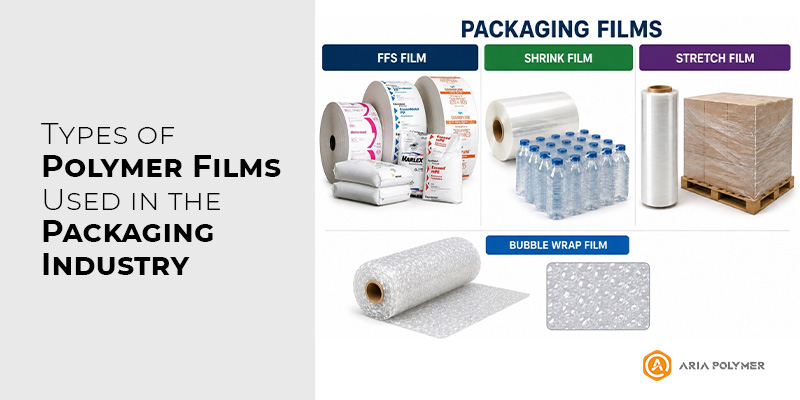
Packaging is an essential requirement to guarantee product quality and safety from the point of manufacture to final consumption. Packaging films are thin, flexible materials used across both food and industrial sectors to protect products from moisture, oxygen, and physical damage.
The industry relies on several primary types of polymer films, each selected based on specific structural, dimensional, barrier, and visual requirements.
Factors for Selecting the Right Packaging Film:
When choosing a packaging film, a balance must be struck between clarity, strength, and flexibility, while carefully considering the product’s unique characteristics, temperature, humidity, and storage requirements.
The massive market growth and success of polymer films can be attributed to their incredible versatility. They can easily adapt to customer needs and be manufactured as either flexible or rigid packaging in various sizes and shapes.
4 Top-Selling Polymer Films in the Packaging Industry
In this article, we will examine four of the most widely used polymer films in the packaging sector:
- FFS (Form-Fill-Seal) Films: High-efficiency films used in automated packaging lines.
- Shrink Film: Heat-sensitive films that contract tightly around products for secure bundling.
- Stretch Film (Stretch Wrap): Highly elastic films primarily used for pallet wrapping and securing goods during transit.
- Bubble Wrap (Bubble Film): Cushioned plastic packaging used for superior shock absorption and fragile item protection.
Form-Fill-Seal (FFS) Films
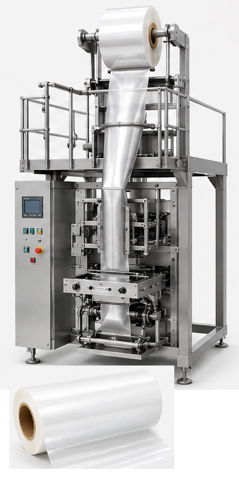
FFS films (short for Form-Fill-Seal) are specialized plastic roll stock designs engineered for automated packaging lines to streamline forming, filling, and sealing operations. The manufacturing process involves the co-extrusion of multiple polymer layers—predominantly polyethylene (PE), into a high-performance film.
Wound onto large spools, these specialized films are primarily utilized by manufacturers handling heavy duty, powdered, or granular products, such as:
- Petrochemicals and chemical resins
- Agricultural products (fertilizers, seeds)
- Animal nutrition (pet food, livestock feed)
- Bulk food products
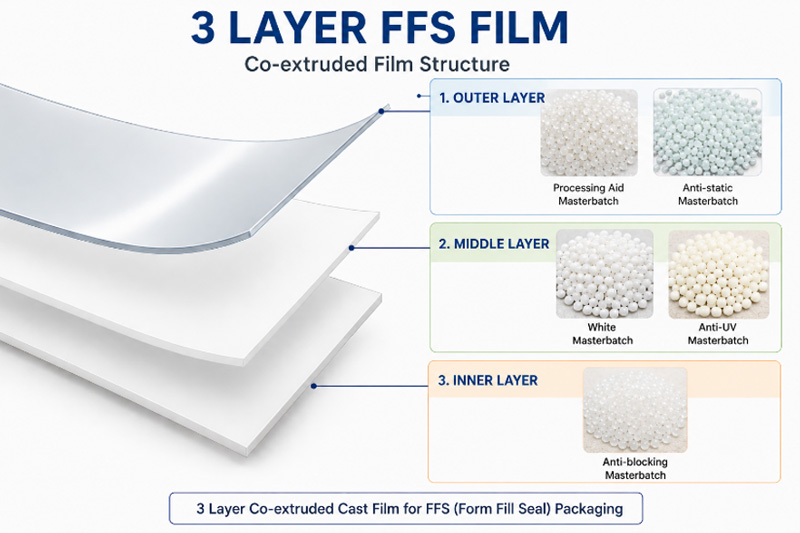
To achieve optimal barrier protection, superior tear strength, and high puncture resistance, FFS films are produced as 3- to 5-layer co-extruded structures (with 3-layer films being the industry standard). Performance-enhancing masterbatches and additives are strategically incorporated into specific layers:
Multi-Layer Breakdown of FFS Films
The Inner Layer (Sealing Layer): This layer is designed with a low sealing initiation temperature (SIT) for quick, reliable heat sealing. It typically contains an anti-block masterbatch, which prevents the inner film layers from sticking together while wound on the roll. This ensures smooth, frictionless opening during the high-speed filling process.
The Core Layer (Middle Layer): Responsible for the film’s mechanical strength, this layer provides puncture resistance, impact strength, and stiffness. It commonly incorporates an Anti-UV masterbatch for solar protection and a white masterbatch to enhance visual aesthetics and opacity.
The Outer Layer: A precise percentage of polymer processing aid (PPA) masterbatch is applied here to lower the coefficient of friction, ensuring the bags glide smoothly through packaging machinery without sticking. An anti-static masterbatch is also frequently integrated into this layer to eliminate static buildup and dust attraction.
Bubble Wrap (Air Bubble Film)
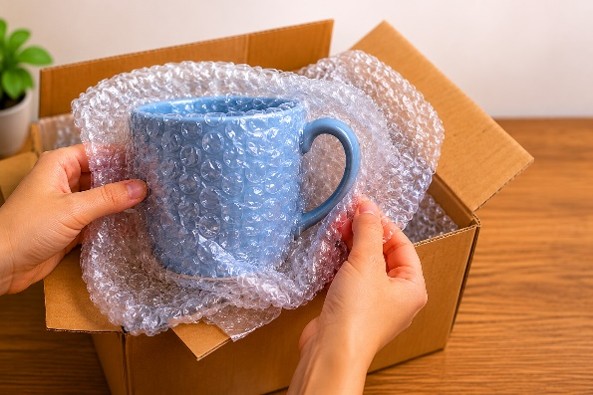
Bubble wrap (industrially referred to as air bubble film) is a highly versatile, air-filled plastic protective cushioning material engineered to safeguard fragile items during transit, handling, and storage.
Bubble wrap is produced through a vacuum-assisted extrusion and bubble-forming process. Low-density polyethylene (LDPE) granules are melted into a liquid, formed into two flat sheets, and passed over a rotating drum. The vacuum pressure creates the bubbles, while the second layer traps air and is heat-sealed at the same time. Bubble formation in these films occurs when the formed film is passed over a large, rotating metal drum covered with thousands of tiny, closely spaced holes. A vacuum system draws air through these holes and sucks the soft plastic into the cavities to form the specific bubble shape.
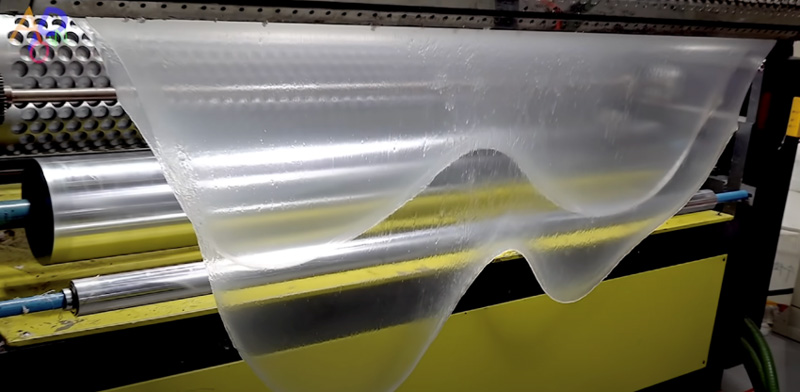
Manufacturers of this product combine the resins with special additives to optimize processability, and durability. Key additives and their main roles include the following, which are used to smooth the surface and prevent film adhesion or increase tensile strength.
Slip Agent Additives
By reducing surface friction, slip agents prevent the film from sticking to itself (blocking) or machinery surfaces, ensuring seamless winding, unwinding, and flawless bubble formation during high-speed production.
Polymer Processing Aid (PPA) Masterbatch
They eliminate die build-up (drool at the extruder head), reduce melt fracture (surface defects), and significantly lower energy consumption during extrusion.
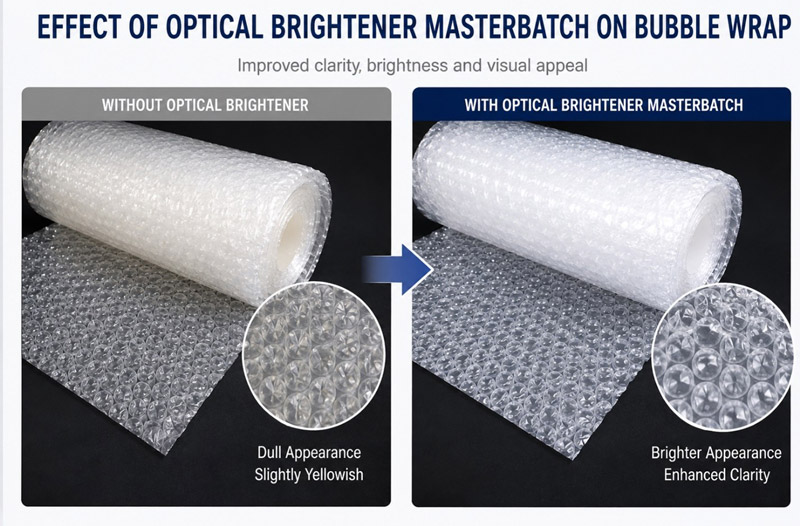
Optical Brightener Masterbatch
These additives absorb UV light and re-emit it in the blue spectrum to mask any natural yellowness in the recycled or virgin resin.
Antioxidant Masterbatch
During the extrusion process, polyethylene is subjected to extreme temperatures, high shear stress, and atmospheric oxygen, making it highly vulnerable to thermal degradation.
In fact, Antioxidants neutralize free radicals to prevent molecular weight reduction, gel formation, yellowing, and the loss of mechanical and tensile properties during manufacturing.
Shrink Film (Heat-Shrinkable Film)
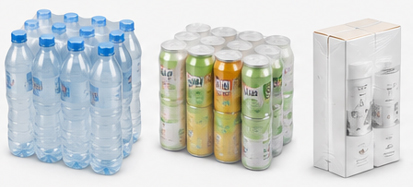
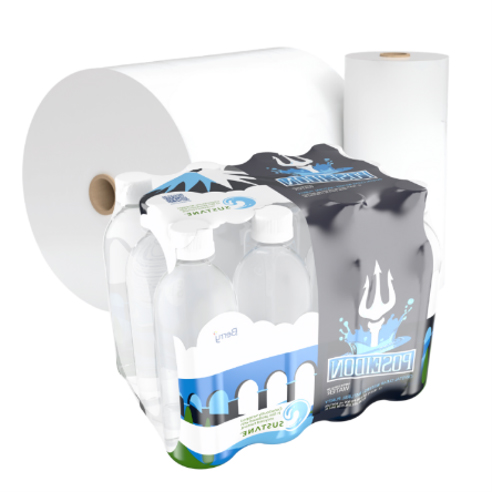
Shrink film is a highly versatile polymer material engineered to conform precisely to the contours of any product it covers. It is widely utilized in both automated and manual packaging systems across various sectors, including beverage multi-packs, canned goods, personal care products, and heavy-duty building materials like bricks and tiles. Shrink film provides a robust barrier that safeguards goods against environmental hazards such as wind, rain, moisture, and dust.
This specialized film delivers a customized packaging solution that offers enhanced protection tailored to the film type and application requirements. It is exceptionally effective for improving product visibility on shelves and bundling smaller or irregularly shaped items together.
Mechanics of Load Stability and Protection of Shrink Films
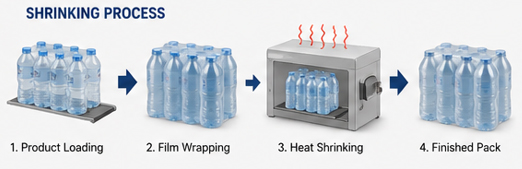
The containment force required to hold products securely together across both lengthwise and crosswise directions is achieved by exposing the film to controlled heat, followed by natural cooling. This thermal contraction ensures exceptional load stability during transit, distribution, and warehouse storage.
Gentle Compression: Unlike stretch wrapping, shrink film exerts uniform, non-deforming pressure on goods, meaning delicate or flexible items are protected gently without being crushed.
Mechanical Strength: The film delivers outstanding puncture and tear resistance, preserving package integrity during rigorous handling.
Collation Packaging: This material is the industry standard for multi-packs and multi-item grouping, seamlessly handling configurations ranging from small 4 to 6 packs up to large industrial 24 to 40-item bundles.
Essential Additives in Shrink Film Manufacturing
To withstand high-speed automated packaging machinery and harsh outdoor storage conditions, shrink films are formulated with key functional masterbatches:
Anti-block Masterbatch
This masterbatch introduces micro-scaled surface irregularities (roughness) to the film layer. These microscopic gaps reduce the contact surface area between layers, effectively neutralizing the intermolecular Van der Waals forces that cause film blocking (sticking together on the roll). This guarantees smooth, high-speed unwinding without tearing.
Anti-UV Masterbatch
For shrink-wrapped goods stored outdoors, exposed to direct sunlight on pallets or open yards, Anti-UV stabilizers are indispensable. These chemical additives protecting the polymer matrix from yellowing, brittleness, and structural photo-degradation, thereby maintaining package security over extended periods.
Stretch Film (Stretch Wrap)
Stretch film is a highly elastic plastic film primarily engineered for wrapping, bundling, and securing unitized products onto pallets. The fundamental role of industrial stretch wrap is to provide a tight, resilient barrier that seals goods against dust, moisture, and adverse environmental elements during long-term storage and distribution.
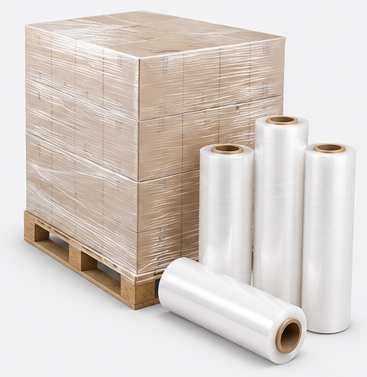
Unlike shrink film, stretch film relies entirely on mechanical tension. It is stretched either manually or via automated wrapping machinery, tightly wound around items, and relies on its inherent cling properties to secure the load without requiring external heat.
The stretching process can be applied along one or two axes (uniaxial or biaxial orientation) to optimize tensile strength, elasticity, and optical clarity. Fine-tuning these stretch ratios ensures that the film delivers maximum load containment and performance for demanding packaging applications. Because of its exceptional elasticity and high elongation break, stretch wrap is the industry standard for securing large palletized loads and bundling bulky cargo.
Additives in Stretch Film Manufacturing
In advanced stretch film production, functional additives are vital for enhancing performance characteristics. These additives are integrated into the base polymer matrix during extrusion, boosting specific physical properties without compromising the structural integrity of the film. This technical formulation makes the stretch wrap significantly more durable and resilient against environmental stressors during transit and open-air storage.
The primary masterbatches used to optimize modern stretch films include:
Anti-UV Masterbatch
Added during the compounding stage, this masterbatch shields the polymer from solar radiation, minimizes discoloration (yellowing), and prevents the degradation of mechanical properties like stretchability and holding force.
stretch-wrapped pallets are frequently stored in open yards or transported via flatbed trucks exposed to direct sunlight, UV stabilizers are critical.
Polymer Processing Aid (PPA) Masterbatch
In high-speed, modern extrusion lines, PPAs act as rheology modifiers to optimize polymer flow and reduce internal friction within the extruder barrel. PPAs dramatically reduce die build-up (extruder drool), minimize machine downtime, and extend equipment lifespans. By smoothing the polymer melt flow, they eliminate melt fracture (surface distortions) and minimize film haze, resulting in an ultra-smooth, high-clarity finish.
Optical Brightener Masterbatch
They mask the natural yellowish tint of polymers and introduce a clean, bluish-white undertone. This dramatically improves film aesthetics, clarity, and perceived gloss, an essential addition when recycled resins are incorporated into the film formulation.
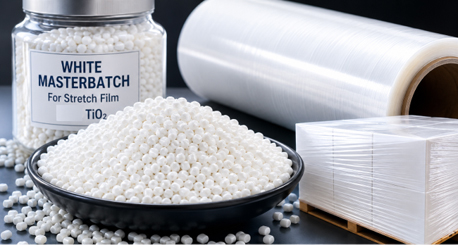
White Masterbatch (Tio2)
Beyond providing high opacity and a clean white color for branding or security (concealing pallet contents), it acts as a secondary UV barrier. High-quality white masterbatches are engineered to have negligible impact on the film’s ultimate elongation, stretch ratios, and puncture resistance.
Stretch Film vs. Shrink Film
| Stretch Film | Shrink Film |
|---|---|
| Elongation via mechanical tension & stretch | Contraction via heat application |
| Low equipment barriers (can be applied manually or via automated wrappers) | Requires specialized machinery |
| Lower material consumption due to high elongation pre-stretch capabilities | Standard material consumption |
| Flexible and tightly bound, but does not provide a hermetic seal | Creates a secure, fully sealed tamper-evident containment |
| Superior compatibility with recycled resins | High printability and excellent lamination compatibility |
| Best suited for bulky, heavy, or palletized loads | Ideal for fragile, irregular shapes, and small multi-packs |